In memoriam

SerenaShim

1985 — 2014
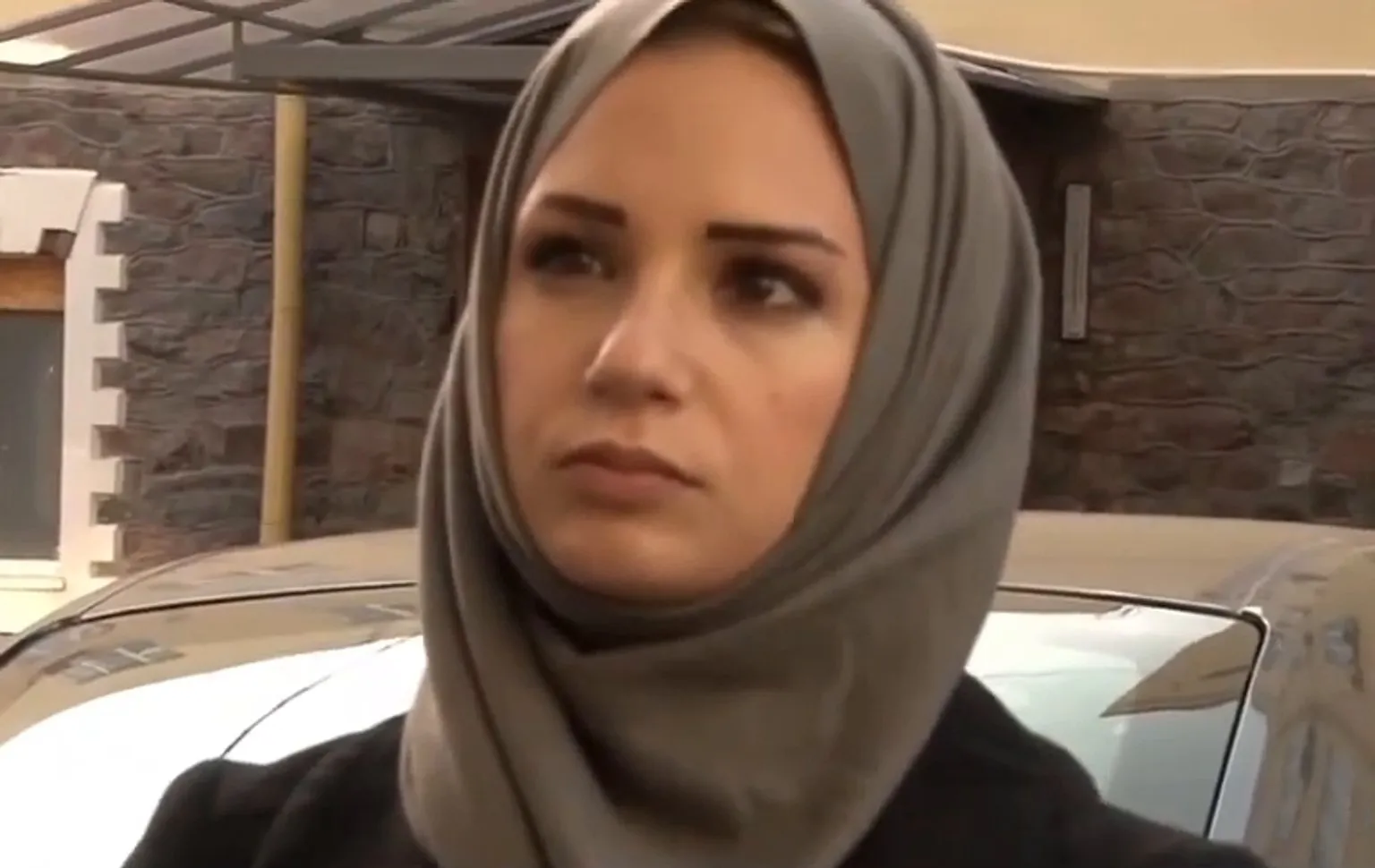
She went toward the story everyone else was leaving.

American-born, Lebanese-rooted. A correspondent in the world's hardest places, a wife, a mother of two. She was twenty-nine.

Read more

Serena Shim was born on October 10, 1985, in Michigan, and died on October 19, 2014, on a road near Suruç, Turkey, a few miles from the Syrian border. She was twenty-nine — a journalist, a wife, and the mother of two small children.

For seven years she reported for the English-language broadcaster Press TV, working out of Beirut — from Lebanon, Syria, Turkey, Iraq, and Ukraine, and finally from the edge of the siege of Kobani. Two days before her death she said on air that Turkish intelligence had accused her of spying, and that she was afraid.

Her mother, Judith Poe, says her daughter "gave her life for the truth." No government has ever published findings on how she died.

This site is her memorial, made by her family.

Two Shores

Michigan and Lebanon

Born to a Lebanese father and an American mother, raised outside Detroit. At eighteen she moved to her father's hometown near Beirut. She belonged to both places.

Read more

Serena was born to Judith Poe and Ali Shim, a Lebanese immigrant from Bourj el-Barajneh, in the southern suburbs of Beirut. She grew up in the Detroit suburbs of Dearborn and Livonia and graduated from Clarenceville High School — a Midwestern girlhood carried on Lebanese roots.

After high school and her parents' divorce, she moved to Lebanon — around age eighteen — settling in Bourj el-Barajneh and enrolling at university in Beirut. She spoke fluent Arabic alongside her native English. Two countries claimed her, and she claimed them both; colleagues recalled that she called herself a citizen of the world.

Her sister Fatmeh remembers her will: "If everybody was going left, she would go right."

She married Ibrahim Shim and became a mother of two: a son, Ali, and a daughter. She was the family's breadwinner; her husband stayed home with the children. Her mother remembers her humor, and her gratitude.

Her full story
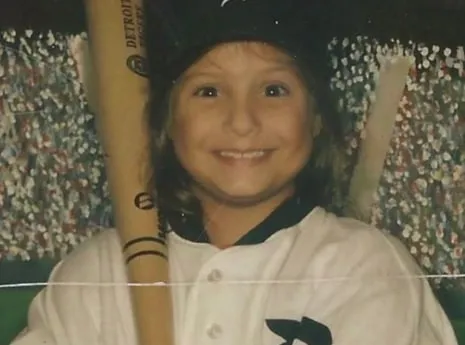
Family photograph of Serena as a young girl in a Detroit Tigers baseball uniform, smiling with a bat over her shoulder.
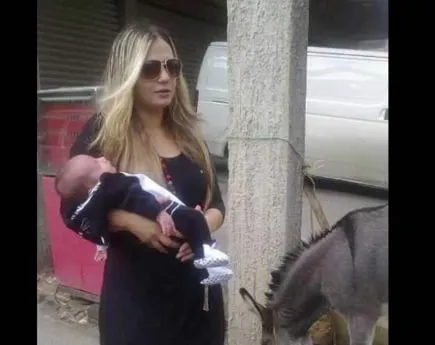
Family photograph of Serena holding her baby on a street in Lebanon, a donkey beside them.
Family photographs · from the Press TV documentary “I Am a Reporter”

Becoming

A war made her a reporter

She said witnessing the 2006 bombardment of southern Lebanon drove her into journalism. By 2007, still an undergraduate, she was hired by Press TV.

Read more

Serena said that watching Israel's 2006 bombardment of southern Lebanon — the region her father's family came from — was what pushed her toward journalism. She had seen what war does to the places she loved, and she wanted to tell it.

In 2007, while still a university student in Beirut, she was hired by Press TV, Iran's English-language broadcaster. She began as a news show host and soon became a correspondent at the network's Beirut bureau.

Those who worked beside her remembered the force of her. "I have never seen a voice that powerful," said her colleague Farah Ali Atoui. A motto her family associates with her: "I'd rather die on my feet than live on my knees."

The Work

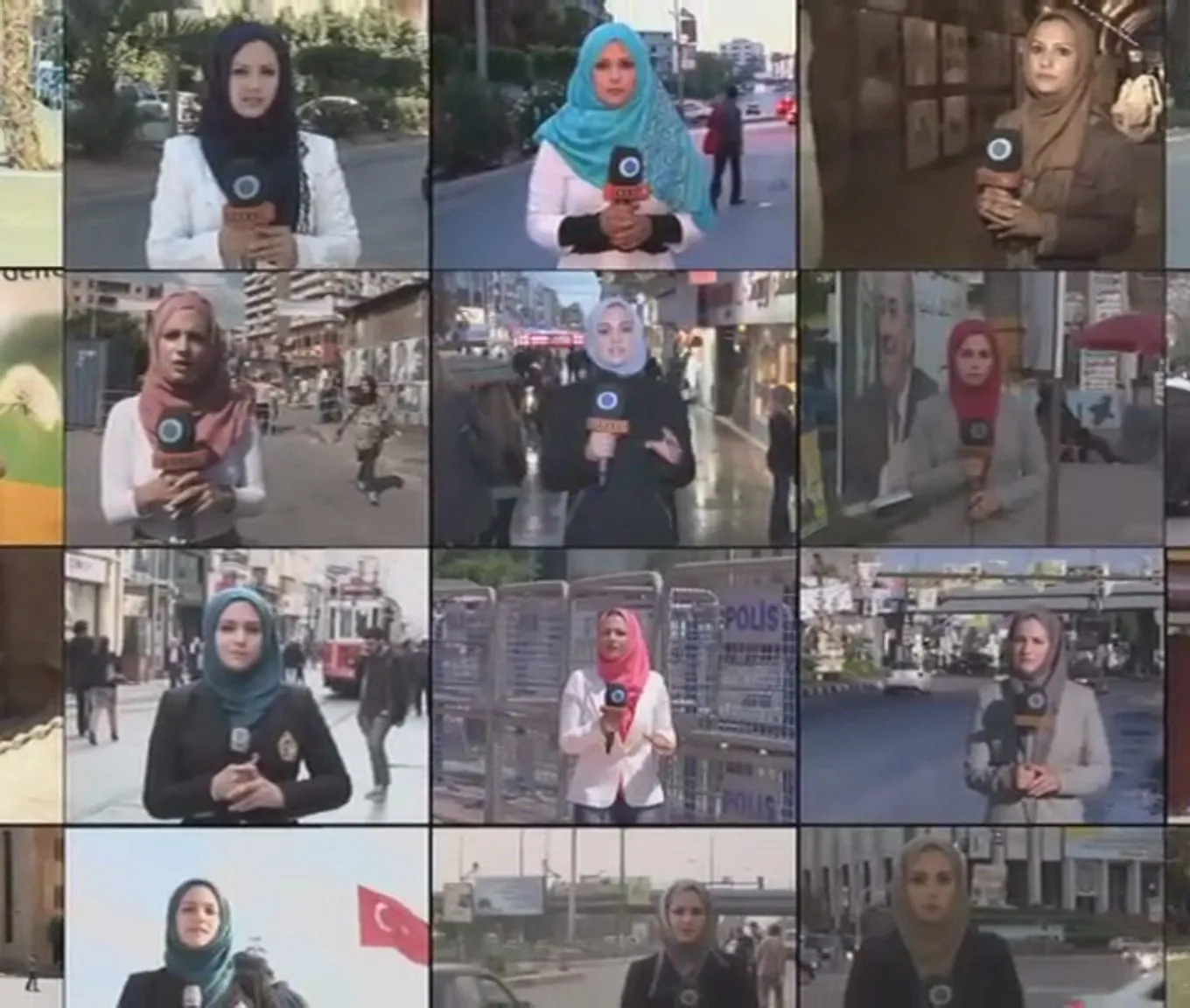
Seven years. Five countries. One voice.
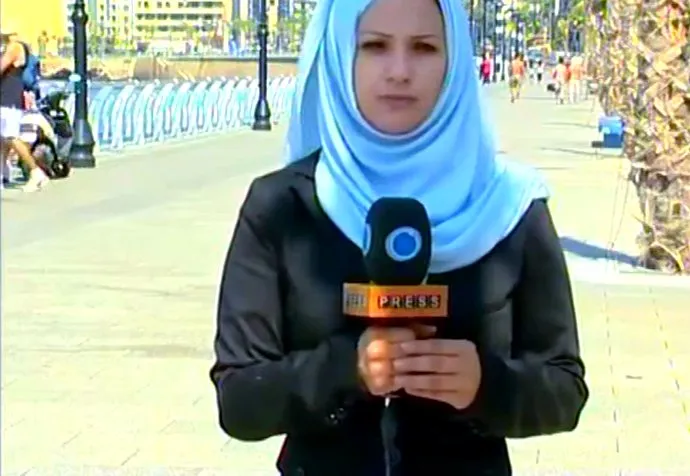
Serena reporting to camera with a Press TV microphone on Beirut's seafront Corniche.

Lebanon

The Beirut bureau — where it began, covering the country her family came from.

Photo: Press TV · “I Am a Reporter”
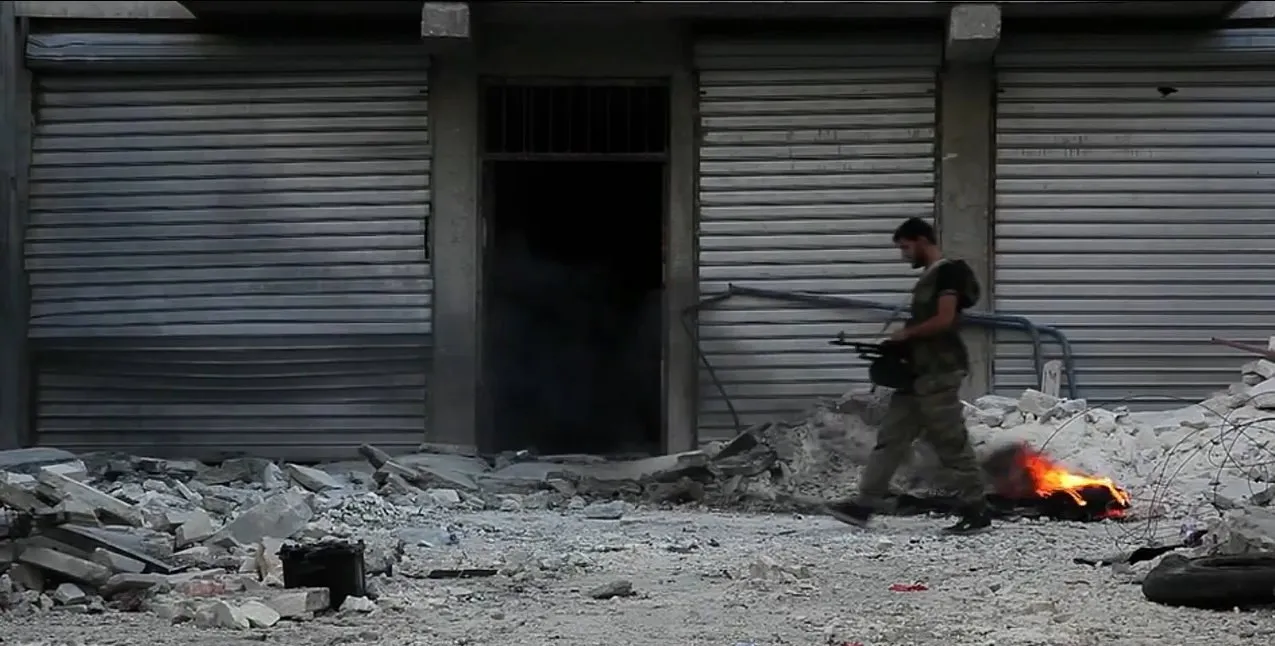
A fighter walking through rubble past shuttered storefronts in Aleppo, Syria, 2012.

Syria

The uprising from 2011, and the war that spilled over every border she knew.

Photo: VOA / Scott Bobb · 2012 · Public domain
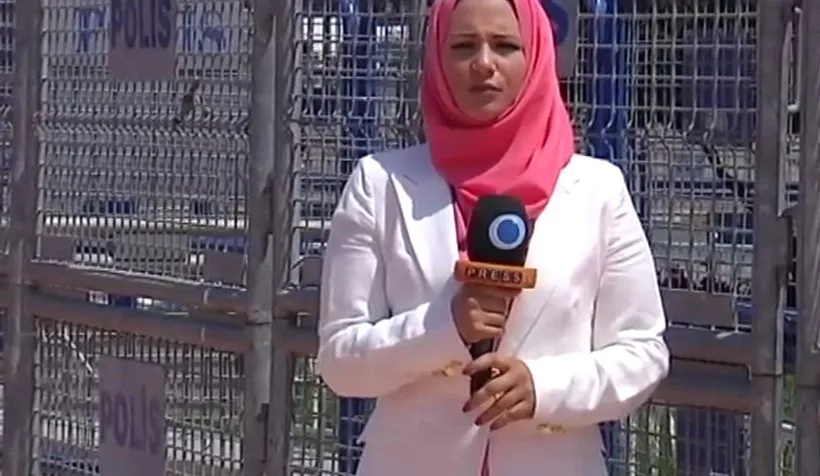
Serena reporting in front of police barriers at Taksim Square, Istanbul.

Turkey

Gezi Park, Istanbul, 2013 — reporting what ordinary Turks were afraid to say.

Photo: Press TV · “I Am a Reporter”
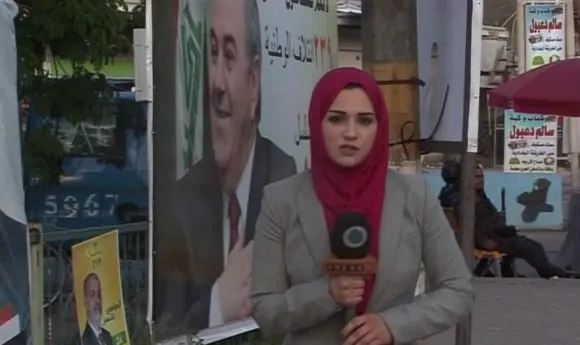
Serena reporting on a Baghdad street lined with election campaign posters, 2014.

Iraq

Baghdad, 2014 — elections in a country sliding toward war.

Photo: Press TV · “I Am a Reporter”
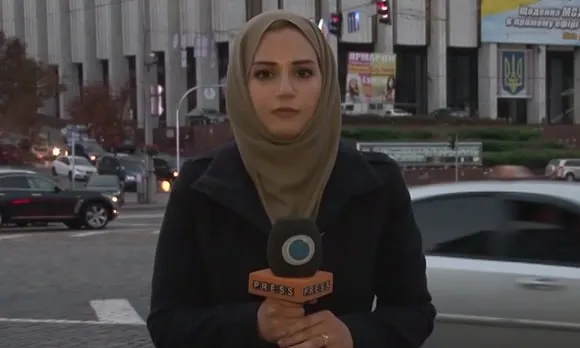
Serena reporting from a street in Ukraine, a billboard with Ukrainian text behind her, 2014.

Ukraine

A different war, far from home. She went anyway.

Photo: Press TV · “I Am a Reporter”
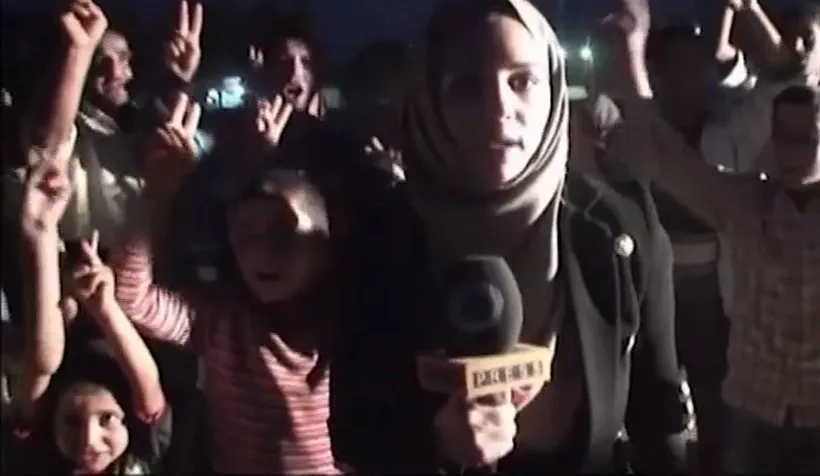
A Press TV broadcast frame captioned 'Near Kobani': Serena reporting live in an inset beside footage of smoke rising over the town.

The border

Suruç, facing Kobani. Her final assignment.

Photo: Press TV · “I Am a Reporter”
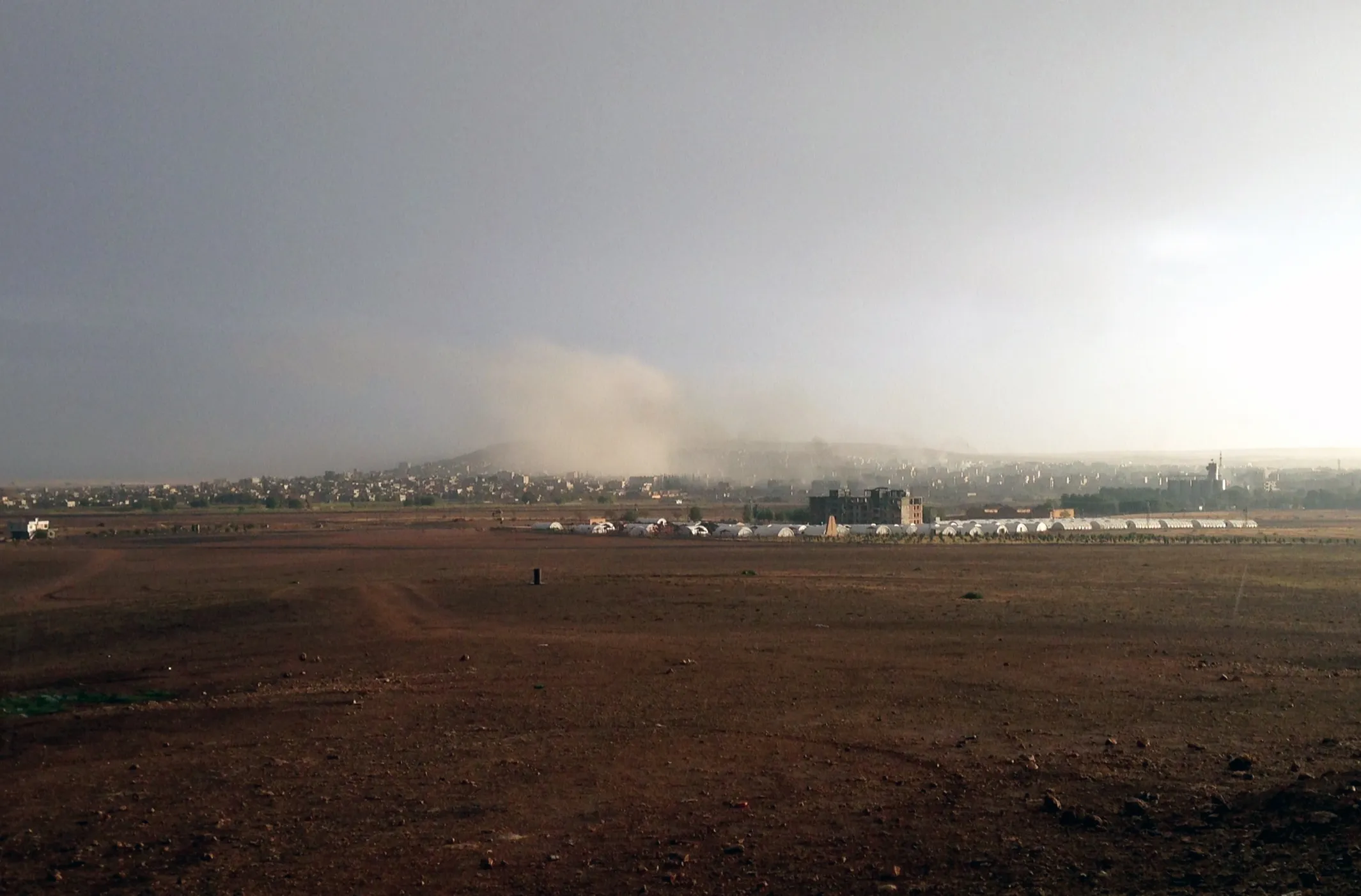
Kobani seen from Suruç, October 16, 2014 · Photo: M. Akhavan · CC BY-SA

The Border

She said the aid trucks carried fighters

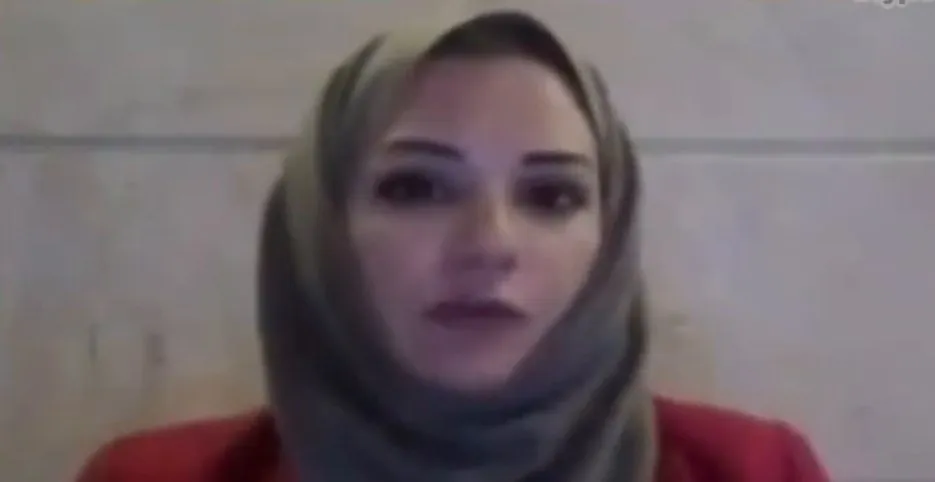
From 2012 she reported on militants and weapons moving from Turkey into Syria. On air, she said she had images of militants crossing in trucks marked with aid insignia.
Read more

Serena's border reporting began in 2012 at crossings like Bab al-Hawa, where she documented what she described as Turkish facilitation of militant and weapons flows into Syria. In early 2013 she said in an interview: "I go to do reports at the Bab al-Hawa border crossing, and I don't have to ask Turkish security for permission — I have to ask the militants for permission."

She reported obtaining passport stamps and first-hand accounts from fighters proving cross-border transit, as she put it, "while Turkey was still hiding this." In her final broadcast she restated her most serious claim: that she had images of militants entering Syria in trucks bearing the markings of the "World Food Organization" — generally understood as a reference to the World Food Programme — and other NGOs. "It was very apparent that they were militants by their beards, by the clothes they wore."

That claim was hers, made on the record and never independently corroborated. The WFP never confirmed its markings were used, Channel 4's Alex Thomson publicly questioned the evidence, and the original Press TV footage has since been lost from the public internet. What is not in dispute is that she reported it, on camera, under her own name. What remains is her testimony — and what happened next.

17 October 2014

“I am a bit frightened”

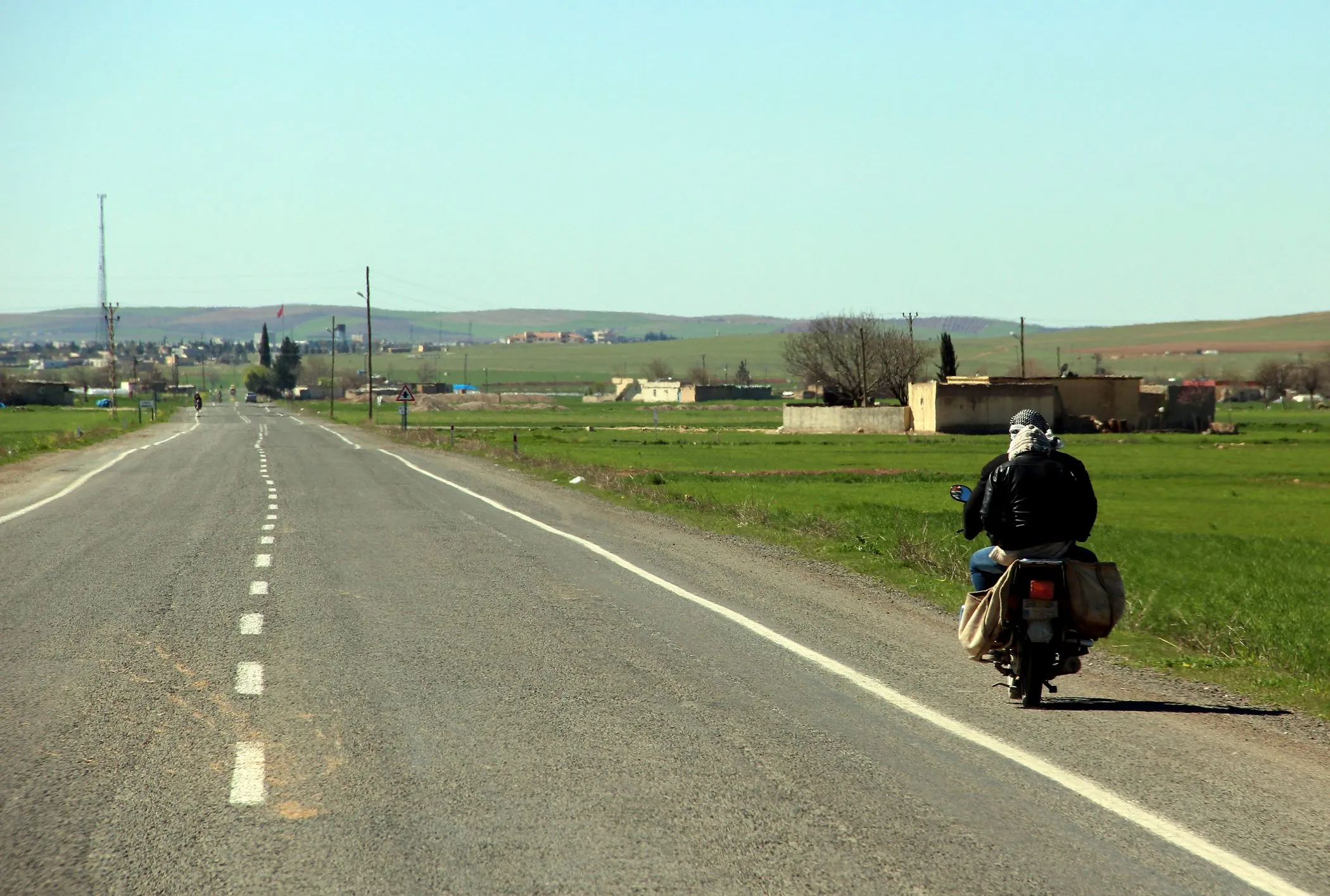
Two days before her death, she told viewers that Turkish intelligence had accused her of spying, and that she feared arrest. "I've never done anything aside from my job."
Read more

On October 17, 2014, Serena went on air from the border and said that Turkey's National Intelligence Organization (MIT) had accused her of spying — an accusation known only through her account; Turkish authorities never confirmed it. "I am very surprised at this accusation," she said. "I've never done anything aside from my job." She added: "Turkey has been labeled by Reporters Without Borders as the largest prison for journalists... so I am a bit frightened about what they might use against me."

The decision to go public was deliberate. Before the broadcast she had called her sister Fatmeh and asked, "Do I go on live or do I leave?" Fatmeh told her to go on live.

The next day she left her mother a voice message, playing the danger down — and drawing her own map of fear: "You know what scares me? Baghdad. Syria. Being killed is scary, Mom. Going to jail is not scary. It sucks, but it's not scary." She had told her mother this was her last trip; she was planning to move home to Michigan with her husband and children. She was dead in less than twenty-four hours.

19 October 2014

The road back from Kobani

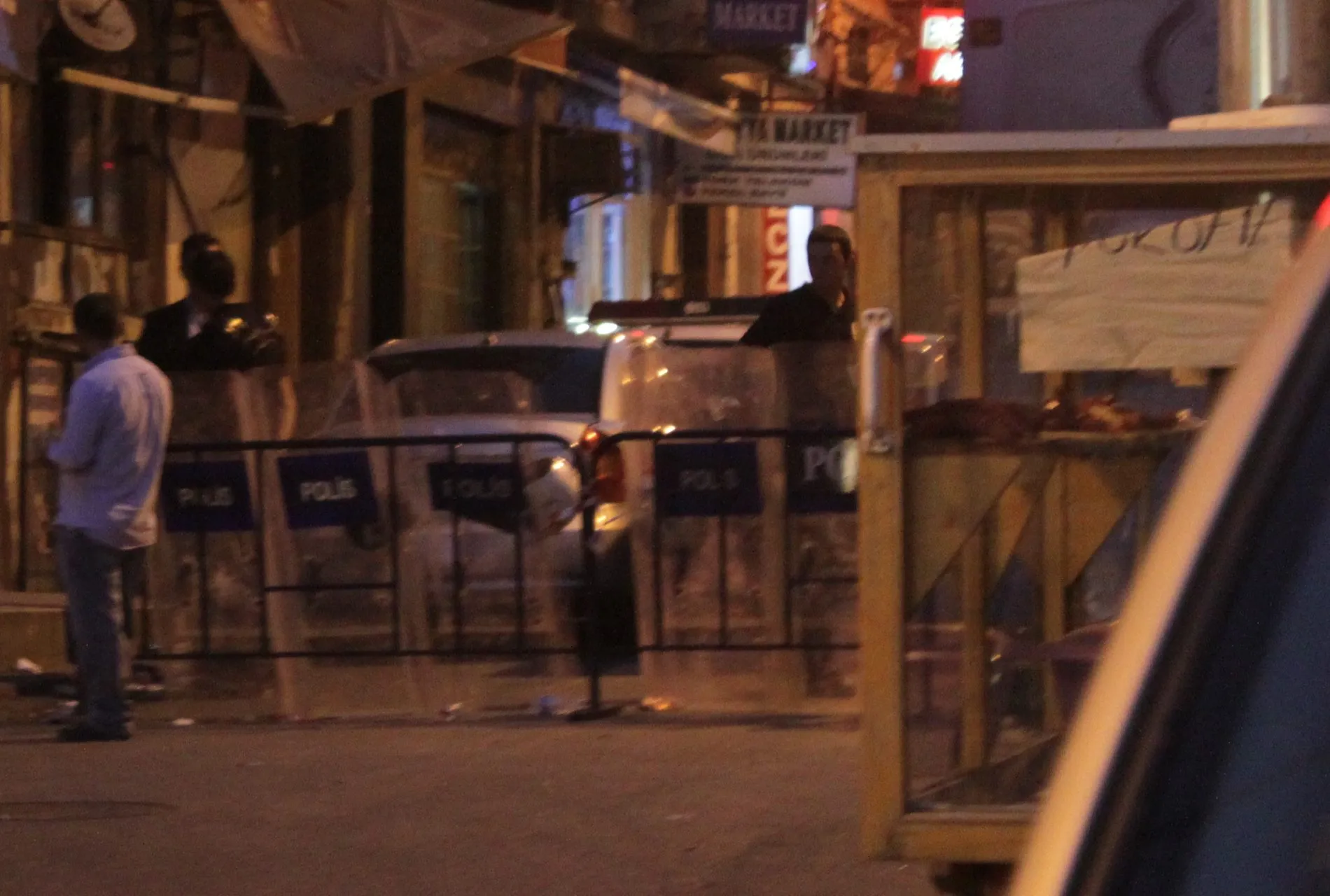
Returning from the border to her hotel, the rental car she rode in collided with a heavy truck near Suruç. Her cousin, who was driving, survived; Serena did not. She was twenty-nine.
Read more

On the evening of October 19, 2014, Serena was a front-seat passenger in a rental car heading back to her hotel from the Kobani border area. Near Suruç, in Şanlıurfa province, the car collided with a heavy truck, widely reported as a cement mixer. Turkish officials ruled her death a traffic accident. The driver, Judy Irish, sixteen, survived with injuries; most accounts describe her as Serena's cousin, though one press-freedom organization recorded her as a camera operator.

Accounts of Serena's death conflicted from the first hours. Early reports said she died at the scene; a later account said she died of heart failure about thirty minutes after reaching the hospital. The family asks why she was taken to a hospital roughly three hours away in Urfa, while her cousin, who survived, was taken to a closer facility.

She was buried on October 22, 2014, in the Bourj el-Barajneh cemetery in south Beirut — her father's soil, and hers. Hundreds attended. At the funeral her father said: "We are proud of her, she was born to be a hero and remained a hero until the end, working on the frontline."

What Remains

No findings. No trial. No answers.

Turkey ruled it a traffic accident. The promised explanation was never released, and the scheduled trial never took place. Her family believes she was killed for what she knew.

Read more

On October 20, 2014, the governor of Şanlıurfa dismissed suspicions of foul play as baseless and pledged a detailed explanation after an investigation. It was never released. An official accident report named the sixteen-year-old driver the sole culprit — yet weeks later the local prosecutor sought up to six years in prison for the truck driver, Şükrü Salan, for causing death through negligence. The contradiction was never explained, and a trial reportedly set for March 2015 was never held.

Judy Irish, who was driving, later said a truck "sped up in front of me and cut me off" — an account at odds with both the head-on-collision narrative and the finding that she was solely at fault. Autopsies were reportedly performed in Turkey and Lebanon; neither country published results.

Serena's mother, who saw her daughter's body at a Beirut morgue, says its condition was inconsistent with a fatal crash: "There was not one single scratch on her, there was no blood absolutely anywhere." The family disputes the official crash photographs, saying the wrecked car shown was not the car Serena rented. Her sister has said plainly: "I think my sister was assassinated." Her mother called her "a target, without a doubt. She knew too much."

No investigative body has endorsed that conclusion. The Committee to Protect Journalists found no evidence her death was other than a tragic accident. The US State Department said it does not conduct investigations into deaths overseas; her mother says no US or Turkish official ever contacted her. Channel 4's Alex Thomson, though skeptical of the murder theory, wrote that a full investigation remained "urgent and necessary." None ever came. The family's question stands: how did Serena Shim die?

The full account

In Her Name

Her name, given onward

The Serena Shim Award for Uncompromised Integrity in Journalism was established in 2019. Her press IDs and passport are displayed at the Arab American National Museum in Dearborn.

Read more

In 2019, the Serena Shim Award for Uncompromised Integrity in Journalism was established in her honor by a US nonprofit, the Association for Investment in Popular Action Committees. It recognizes independent journalists and writers "who continue to tell challenging truths in difficult times," with a cash prize; more than seventy laureates have received it, among them Julian Assange and John Pilger.

Her personal effects — press IDs, passport, driving permit, and tablet — are displayed at the Arab American National Museum in Dearborn, Michigan, a few miles from where she grew up. She is buried in Bourj el-Barajneh, in south Beirut: the two shores of her life, still holding her.

A 2023 Press TV documentary, "I Am a Reporter," preserves footage of her field work, much of which no longer survives online. Her name is spoken each year when the award is given. That was the point: that it keep being spoken.

See the laureates

For Serena

Light a candle

A small flame, kept by family, friends, and strangers who know her story. Add yours.

Counting the light…

Remembering

Who she was

Her family and friends remember her here. If you knew Serena — or her work reached you — add your memory.
إِنَّا لِلَّهِ وَإِنَّا إِلَيْهِ رَاجِعُونَ

To God we belong and to Him we shall return.

The Holy Qur'an 2:156

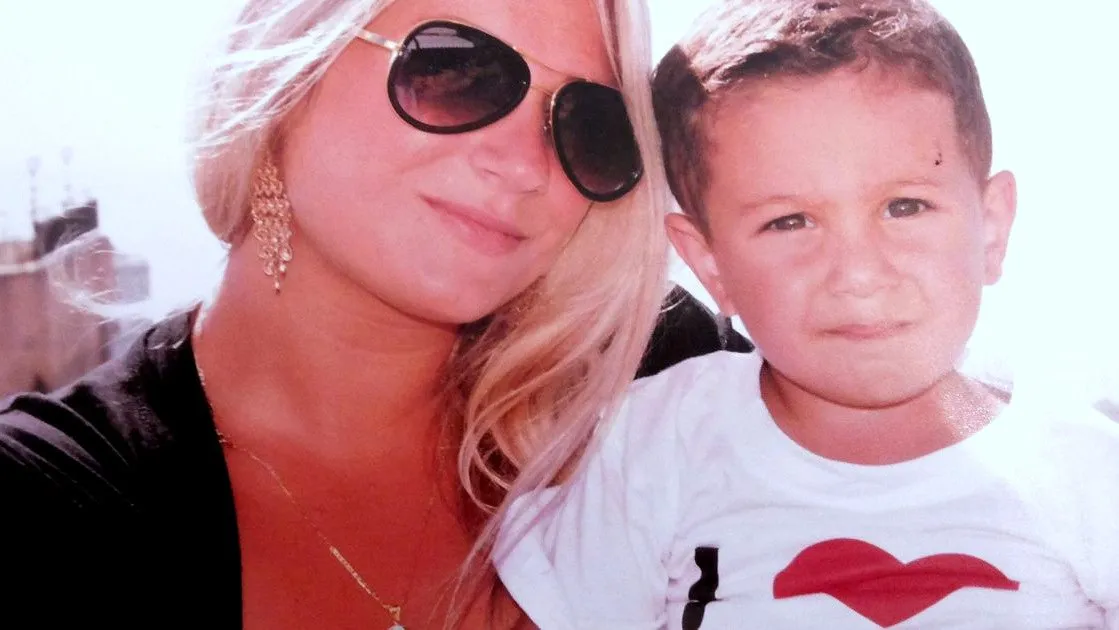
In loving memory of Serena Ali Shim.

Kept by her mother, Judith Poe, and her family.

لَا تَخَافَا ۖ إِنَّنِي مَعَكُمَا

Don't fear, I am with you.

The Holy Qur'an 20:46